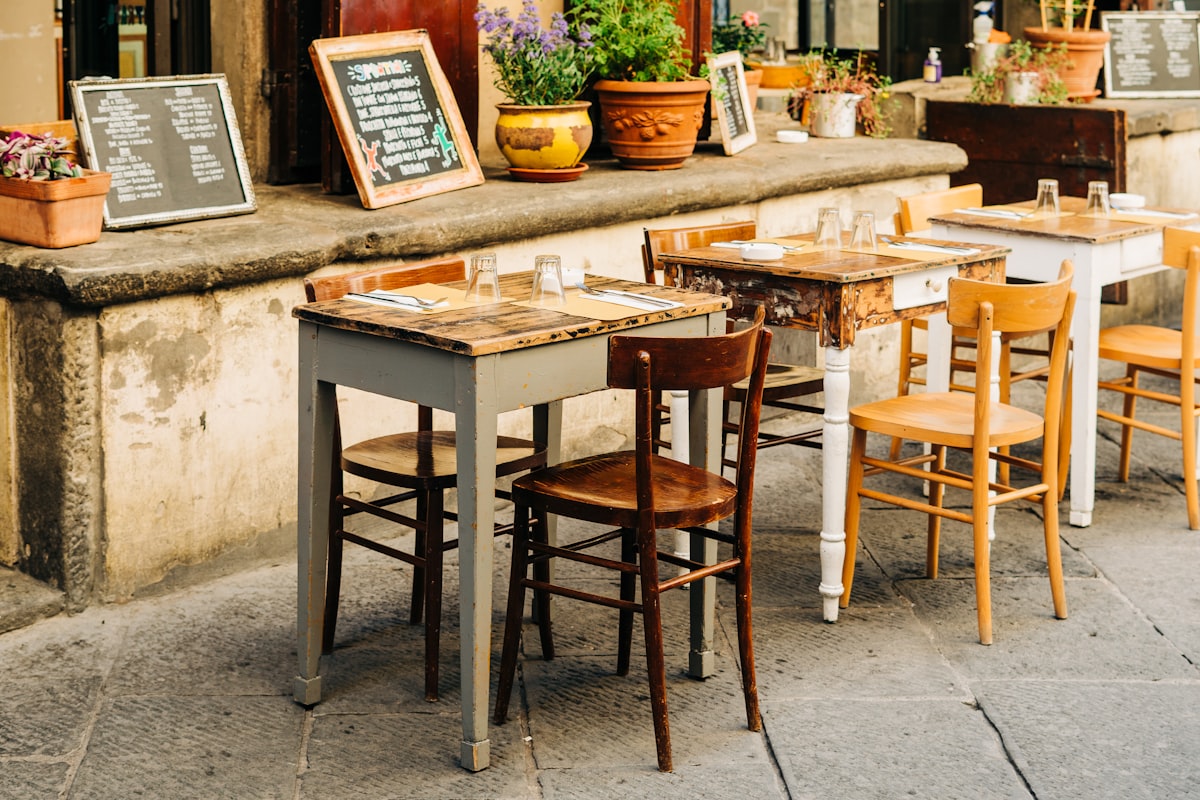
The best week I had in Italy, I did not see Italy. I saw one street in Bologna, a portico, a bar with three stools, and a bowl of tortellini in brodo that the same woman set down each morning until she stopped charging me the tourist way and started charging me the four euro fifty she charged the men reading the paper. That is the whole trip. I could not tell you what the Two Towers look like up close. I can tell you the broth got clearer as the week went on, or I did.
So I paid attention when the search data came out. In its 2026 travel trends report, Google says interest in "slow travel" hit an all-time high this year, and "slow travel Italy" jumped 100 percent in a single month. In the same report, "solo travel" also reached an all-time high, and "women solo travel" hit a 15-year peak. Two curves rising at once, and they are not strangers. Slow and alone are the same instinct, wearing two coats.
A word on what those numbers are, because the buzzword crowd will not tell you. Google Trends measures relative interest, not bookings. An all-time high is a curiosity spike, not a boarding pass, and a 100 percent monthly jump usually means a small base doubled, not a large one. People are typing the phrase. Whether they go is a different report. Take it as a mood ring, not a headcount.
But the survey data underneath is steadier, and it points the same way. FTLO Travel polled its community of solo travelers for 2026 and found the appetite is for longer, less rushed trips, the one-to-two-week stay over the five-city sprint. When it asked what pulls people to a place, culture led at 69 percent, food came next at 47, affordability third at 44, and nightlife trailed at 13. That is a portrait of someone who wants to sit down, not line up. It is a self-selected crowd, tour-company clients skewed young, so read it as a temperature, not a census.
Here is where slow travel earns its keep, and it is not romance, it is the numbers. The flight is the trip's whole carbon story. A 2018 Nature Climate Change study by Lenzen and colleagues put the sector at about 8 percent of global emissions and named air travel its single largest slice. And the long trips carry the weight. A 2024 University of Leeds study in Nature Energy found that trips over 50 miles are under 3 percent of all the trips people take, yet they account for roughly 70 percent of the greenhouse gas emissions from passenger travel. Note the two denominators: a tiny share of all journeys taken, against most of the pollution from travel. The damage is in the long hauls. Sprinting five cities is not five times the sightseeing, just more long flights stacked on the one that got you there. Stay put and you spread the carbon of one long flight across ten days instead of two. The days on the ground are nearly free, in carbon and in cash. A rented room by the week costs less per night than the same room by the night, and you stop eating badly in those first days because you do not yet know where the good broth is.
Which leaves the part nobody prices honestly: eating alone, and whether it curdles into eating lonely. I have done both, at the same counter, months apart. The data says it splits cleaner than the fear does. Hostelworld's 2025 solo-travel report has 28 percent of solo travelers naming loneliness as a worry, and safety higher at 41. But among that crowd, hostel-bookers already inclined to gather, 71 percent said they were actively looking to meet people, and of the ones looking, only 3.7 percent met no one. Google's own read of its spike was blunter: searches for tour groups and travel groups hit records the same year, so people are going alone and gathering once they land. Alone is a starting position, not a destination.
For women it is not symmetric, and pretending otherwise is a small lie. The Solo Female Travelers Club's 2026 survey has 68 percent naming personal safety as a top concern, tied with cost, and 16 percent who feared for their safety on a solo trip in the past year. That is the real footnote under the pretty curve. Slow travel does not erase it, though staying in one place, learning one neighborhood, becoming the regular instead of the mark, is its own quiet form of safety.
That is the version I would sell, if I sold anything. Not five countries in a story. One woman, one broth, and the week it took to be charged the local price.