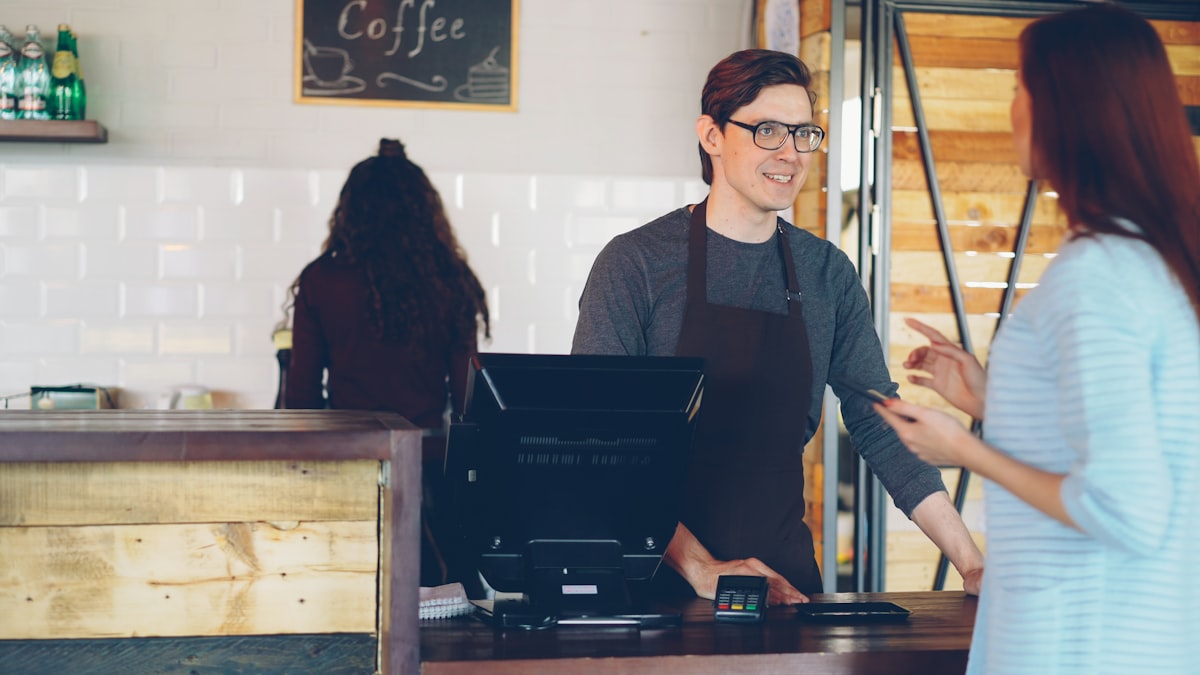
The screen swivels toward you before the coffee is even made. Three buttons, 20, 25, 30 percent, and a smaller one, harder to find, that says No Tip and, to my eye, is placed to feel like an admission. You have bought nothing yet. Nobody has carried anything, refilled anything, remembered your name. The whole transaction is a person turning a tablet around, and it is asking you to reward service that has not happened. Reader, this is the moment the entire argument is actually about.
Americans are furious about tipping, and the numbers say so plainly. In Popmenu's survey of 1,000 consumers, fielded in mid-March 2026, 78 percent said tipping practices have become ridiculous, 44 percent said they tip less than a year ago, and 42 percent said they are increasingly comfortable skipping the gratuity altogether. The share who feel compelled to tip by a digital screen fell to 59 percent, down from 66 percent the previous September. On its face, that reads like the end of tipping.
It is not. It is the end of tipping in one specific place, and the coverage keeps blurring the two. Pull the sit-down number out and it barely moves. Toast, whose card terminals sit in roughly 171,000 American restaurants, puts the average full-service tip at 19.3 percent in the first quarter of 2026. That figure touched a seven-year low of 19.1 percent in mid-2025 and climbed back, holding across two years in a narrow band between 19.1 and 19.4 percent. Quick-service tipping, meanwhile, has sat flat at 15.8 percent for six straight quarters, and takeout draws 13.7 percent when it draws anything. The table is steady. The counter is where the resentment lives.
A correction is due here, because the aggregators and tip sheets passing this around, including the one that sent me chasing it, credit that steady figure to Square and OpenTable. Neither is right. Square's food-and-beverage average runs closer to 15 percent, because its merchants skew toward cafes and counters, and OpenTable takes reservations, its 2026 dining report covers spend and frequency, not tips. The 19-and-change number belongs to Toast, and it is the correct one for a room with a waiter in it.
So two things are true at once, and they are not in tension. People are tipping the server who works a two-hour dinner very nearly what they always did. What they have stopped doing is tipping the tablet. Popmenu's venue-by-venue figures trace the retreat precisely: the share leaving anything at coffee shops fell from 46 to 39 percent, at food trucks from 32 to 27, at fast-food counters from 27 to 22. Those are the transactions with the least service and the boldest prompts, and they are the ones being culled first.
Toast, of all sources, explains why. Its guests, the company says, "value personal interaction and are less inclined to tip for automated or counter-service experiences." That is not fatigue. That is a working sense of proportion. The tip was always meant to price the labor of serving you, and a diner who gives a fifth of the check to a waiter and nothing to a screen has not lost the plot. He has kept it.
Here is the ruling, then. The sit-down average sits a shade over 19 percent; round up to 20 if you like, but that is a courtesy you are choosing, not the going rate. Tip the takeaway coffee nothing, and feel no guilt about the gap, because the gap is the entire point. The screen is not asking you to be generous. It is asking you to underwrite a wage the owner would rather you paid than he did, and it has learned to ask before you can think. You are allowed to press the small button. Press it, thank the human if there is one, and go.