In July 2024, a small group on Las Ramblas pointed water pistols at people eating lunch and told them, politely enough, to go home. The image traveled further than the march it came from, which drew somewhere between 2,800 people, by the police count, and 20,000, by the organizers', as Al Jazeera reported. What got lost was that the marchers were not angry about lunch. They were angry about rent. Barcelona has since answered them with two measures, and only one of them is aimed at you.
The loud one is the tax. On February 25, 2026, the Catalan parliament roughly doubled the regional tourist levy, pushing the headline maximum for a five-star hotel guest toward 15 euro and the holiday-rental rate to 12.5, as Reuters reported. Trade outlets that track the schedule (idealista, visahq) put the 2026 five-star total at 12 euro per person per night, about 7 euro regional plus a flat 5 euro surcharge, up from 7.50, though that breakdown is not confirmed against the official ordinance. The 15 euro figure is a ceiling: the city surcharge alone rises a euro a year to 8 by 2029, and stacked on the top regional rate, that is what carries a five-star to roughly 15. So the number everyone repeated is a promise about the future, not this summer's bill.
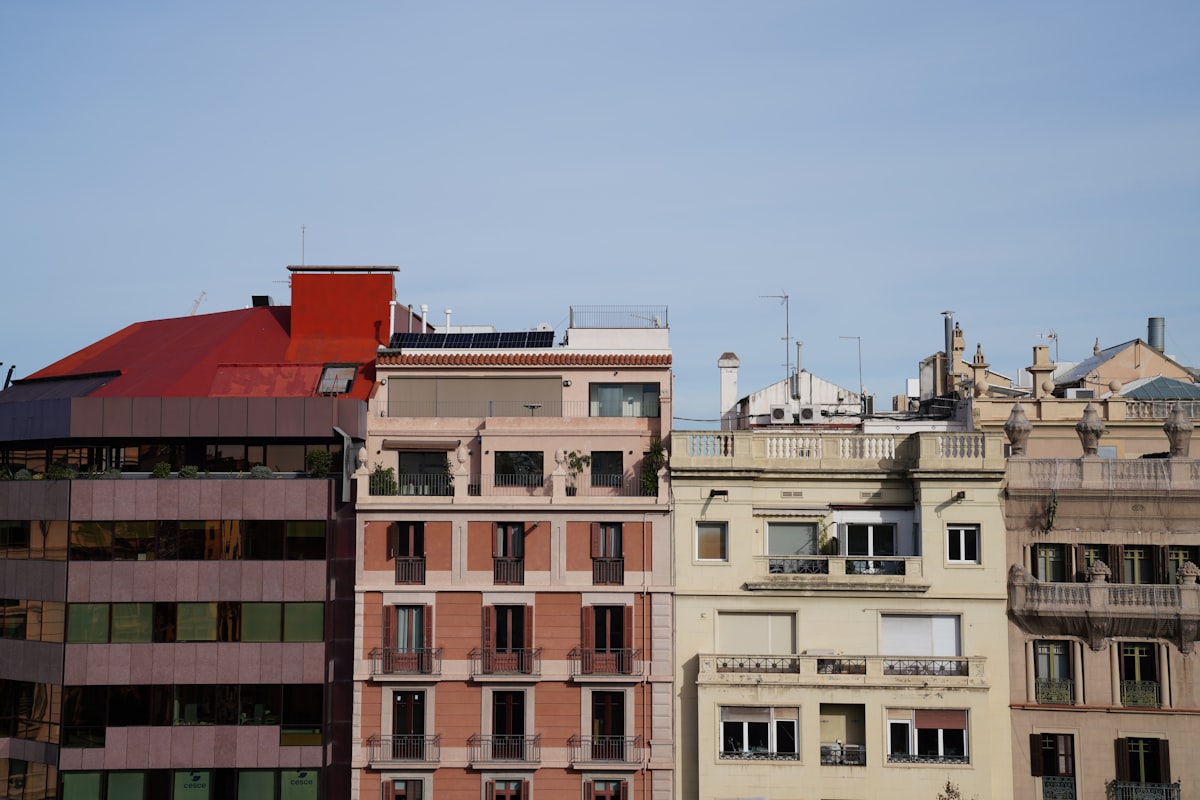
The quieter measure is the one that matters. In June 2024, as Catalan News reported, Mayor Jaume Collboni announced that Barcelona would not renew a single one of its 10,101 licensed tourist apartments when they expire in November 2028. Catalan News quoted him saying that from 2029 "the tourist apartment as it is currently known will disappear from Barcelona." The mechanism, per that same reporting, is Catalan legislation passed in November 2023: the city lets the licenses lapse rather than renew them, and calls this no expropriation. The owners call it something else. Apartur, the association speaking for most of the licensed flats, calls it a taking of more than ten thousand rule-following businesses without compensation, and is in court over it. Owners can request one-time extensions of up to five years if they prove significant investment, which Collboni calls a minor part. Either way the direction is fixed: ten thousand units returning to a housing-stressed market.
Follow the rent and the logic lines up. Collboni's own justification, in the same Catalan News account, was that house prices in the city had risen 68 percent while salaries rose 38 percent, and that public housing had all but stopped getting built. By law, according to Reuters, a quarter of the tourist-tax revenue is now earmarked for housing. That is the tell: a tourism tax that funds housing is not really a tourism tax. It is a transfer, from the people who visit to the people who cannot afford to stay, in the language of travel so it reads as a fee rather than a fight.
Not everyone accepts the framing, and the objections deserve their space. Manel Casals of the city's hotel association told Reuters that gradual proposals were ignored and warned that "one day they will kill the goose that lays the golden eggs," pointing at the roughly 15.8 million people who visit each year. Apartur is pressing its case, but the broader legal challenge to the 2028 ban has so far been rejected and the plan upheld. And there is a real inconsistency here: cruise passengers, who arrive by the million and sleep aboard, still pay only about 6 euro a night, as Reuters reported. Taxing the guest who books a room hardest while the day-tripper fleet pays least is a policy with its priorities upside down.
I have been wrong about this kind of thing before. When Thailand closed Maya Bay in 2018 I cheered it as clean conservation, then saw that "high value, low impact" can also mean swapping the many for the few, a public shore handed to whoever can afford the slot. Protection and enclosure can wear the same uniform. Barcelona's tax carries that risk: price the city so only the wealthy visitor remains, and you have not solved overtourism so much as gentrified it.
But the flat ban is a different animal, and I find I cannot argue with it. It is not sorting visitors by wallet. It is deciding that homes are for the people who live in them, which is the least controversial idea in the world until someone tries to enforce it. So read Barcelona plainly. The tax is a filter, not a fine, and you will barely feel it. The apartment you were going to book may not exist by 2029, and that is the point. The city is not punishing you; it is trying to host fewer of you, and it has decided to say so out loud.