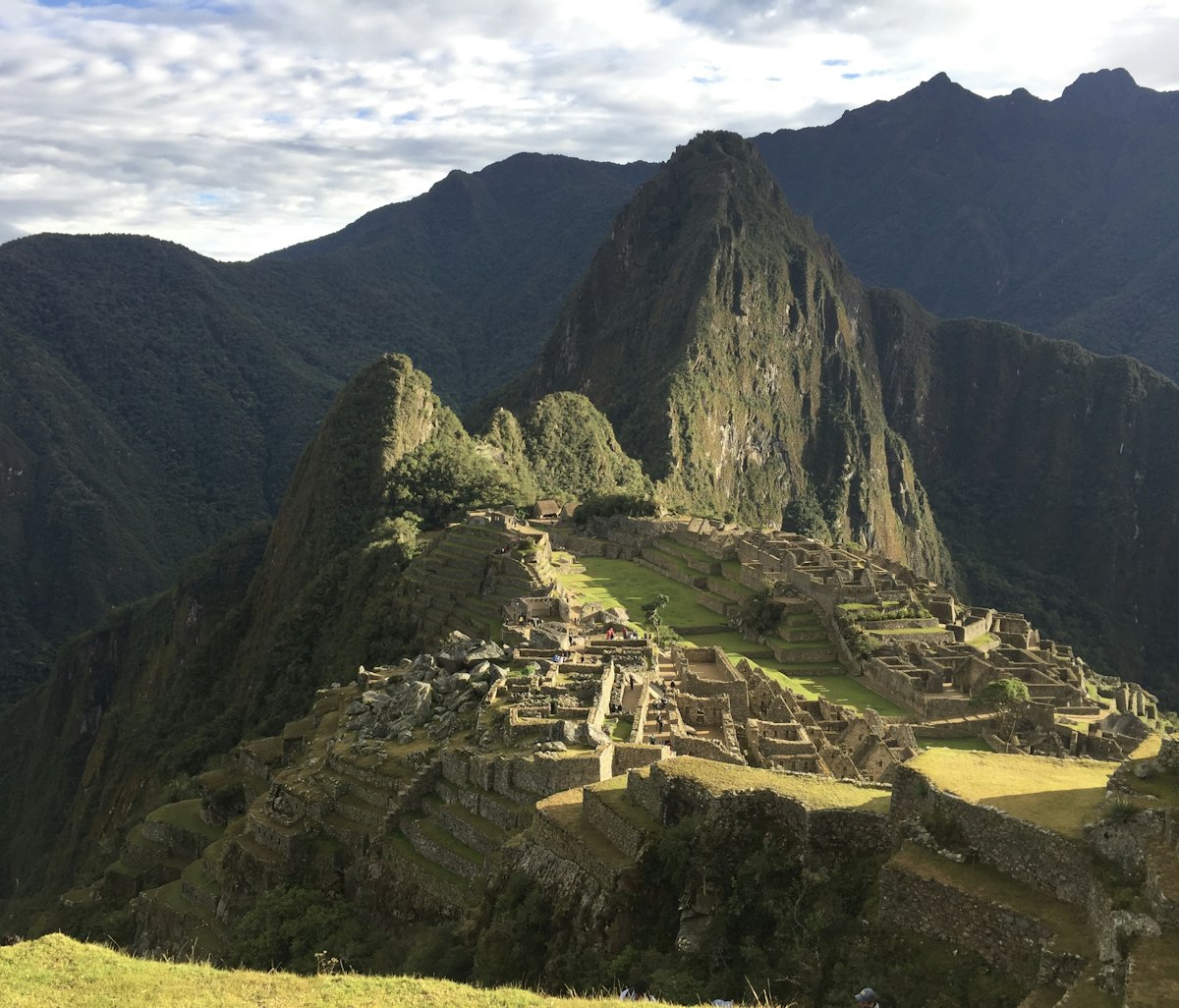
The turnstile at Machu Picchu now reads your passport before it reads your ticket. Since June 19 the citadel admits 5,600 people a day in high season, up from the 4,500 it allows the rest of the year, and every one of those slots is nominative: the document you bought with is the document scanned at the gate, on the circuit and in the hour printed on the pass (Peru's Ministry of Culture, Resolución Ministerial 285-2025-MC). Show up in Aguas Calientes, the town in the gorge below the ruins, without one, and the mountain is closed to you, however far you traveled to stand at its foot.
This is no longer a Peruvian quirk. The walk-up visit, the traveler who arrives, queues, and pays at the door, is being quietly retired at the world's headline sites, and this summer the list of places that will refuse you without a booked, timed slot is long enough to plan a whole trip around.
Start with the ones that will actually stop you at the gate. Pompeii has capped admissions at 20,000 a day and printed your name on the ticket since November 2024, splitting the day into a 15,000-person morning and a 5,000-person afternoon (Parco Archeologico di Pompei). The Acropolis pairs a 20,000-a-day ceiling, introduced in 2023, with mandatory one-hour entry slots the Greek Culture Ministry has enforced through its e-ticketing system since April 2024, front-loaded because most visitors used to arrive before noon (Hellenic Ministry of Culture e-ticketing; Euronews). The Louvre makes a reservation mandatory for everyone from July 1 to August 31, a timed slot you have to claim even with a museum pass (Louvre). The Anne Frank House sells online only, releasing tickets every Tuesday at ten for a date exactly six weeks out, and the good hours are gone in minutes (Anne Frank House). Add Milan's Last Supper, where a reservation is compulsory for every ticket and forty people at a time get fifteen minutes (Cenacolo Vinciano), and Barcelona's Sagrada Familia, which sells timed slots online only (Sagrada Familia) in the centenary year of Gaudi's death, its newly finished Tower of Jesus Christ pulling the crowds higher still (CNN): none of them a place you can reliably walk into on a whim.
The practical reading is dull but firm. For anything on that list, treat the ticket like the flight, not the souvenir. Book the site before the hotel. Buy under the exact name on the passport you will carry, because a mismatched booking is a refused entry. And read the release date more carefully than the price, because the price is rarely the constraint. The calendar is.
Which is where the argument starts. The people running these sites make the conservation case plainly. Pompeii's director, Gabriel Zuchtriegel, framed the cap as a way "to mitigate anthropogenic pressure on the site" (Parco Archeologico di Pompei). Greece's Culture Ministry makes the same case, resting its 20,000-a-day ceiling on an official study of how many the site can hold and calling the limit protection for the monument. I believe them, and I have watched what an unmanaged crowd does to a place people love. When Thailand closed Maya Bay in 2018, after some 5,000 visitors a day had wrecked its reef (CNN), I cheered.
I got Maya Bay half wrong, and the timed-ticket era is where the other half shows up. A cap does not only decide how many people come. It decides which ones. High value, low impact, the phrase every capped site now runs on, is also a quiet swap: out goes the traveler who could once turn up on a Tuesday, in comes the one who can plan and pay three months out. That friction does not land evenly. It lands hardest on the family working around school holidays and a single fixed set of dates, on anyone whose life does not bend to a ticket drop six weeks in advance. Preservation and enclosure can wear the same uniform. I know, because I waved one of them through.
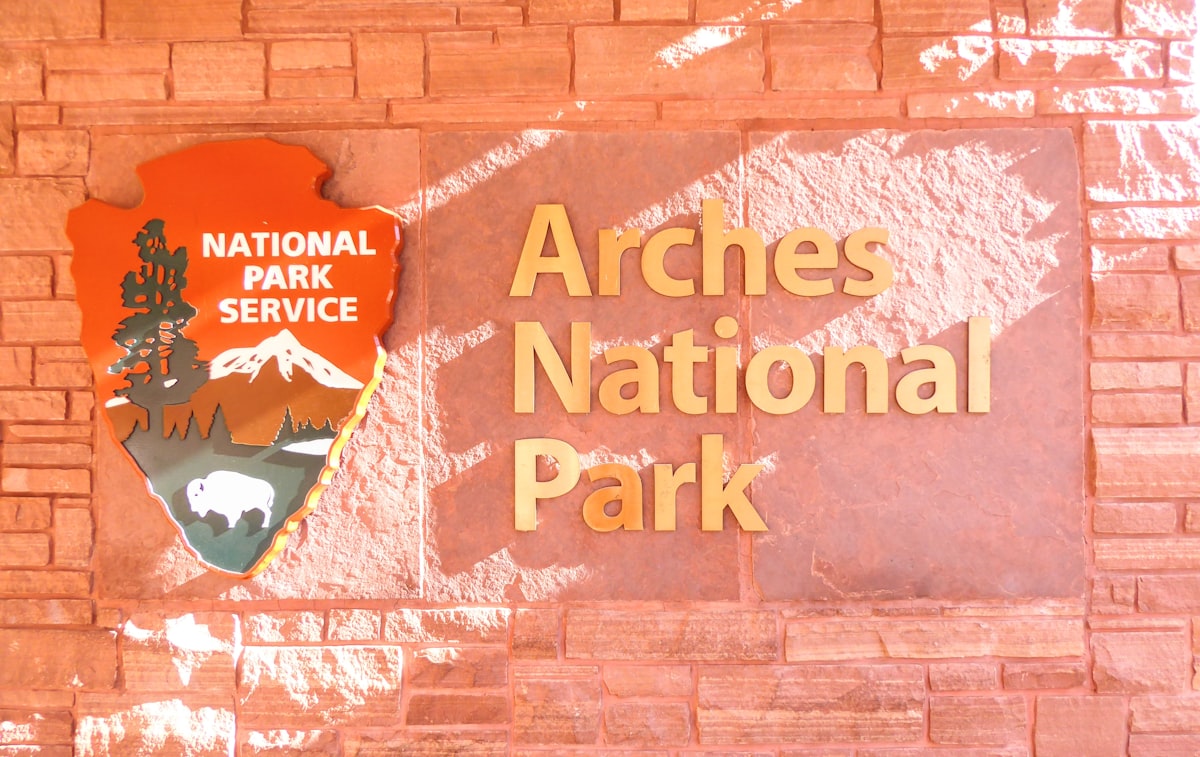
It is not a clean trend, and the honest version says so. The US National Park Service actually walked timed entry back for 2026, dropping reservations at Arches, Yosemite, and Glacier's main road and keeping them only at Rocky Mountain (National Park Service). Crowds can be thinned without a name on every ticket. So the question worth carrying to the gate is not whether these places should be protected. It is who gets to stand inside the postcard once they are, and who is quietly scheduled, or priced, out.