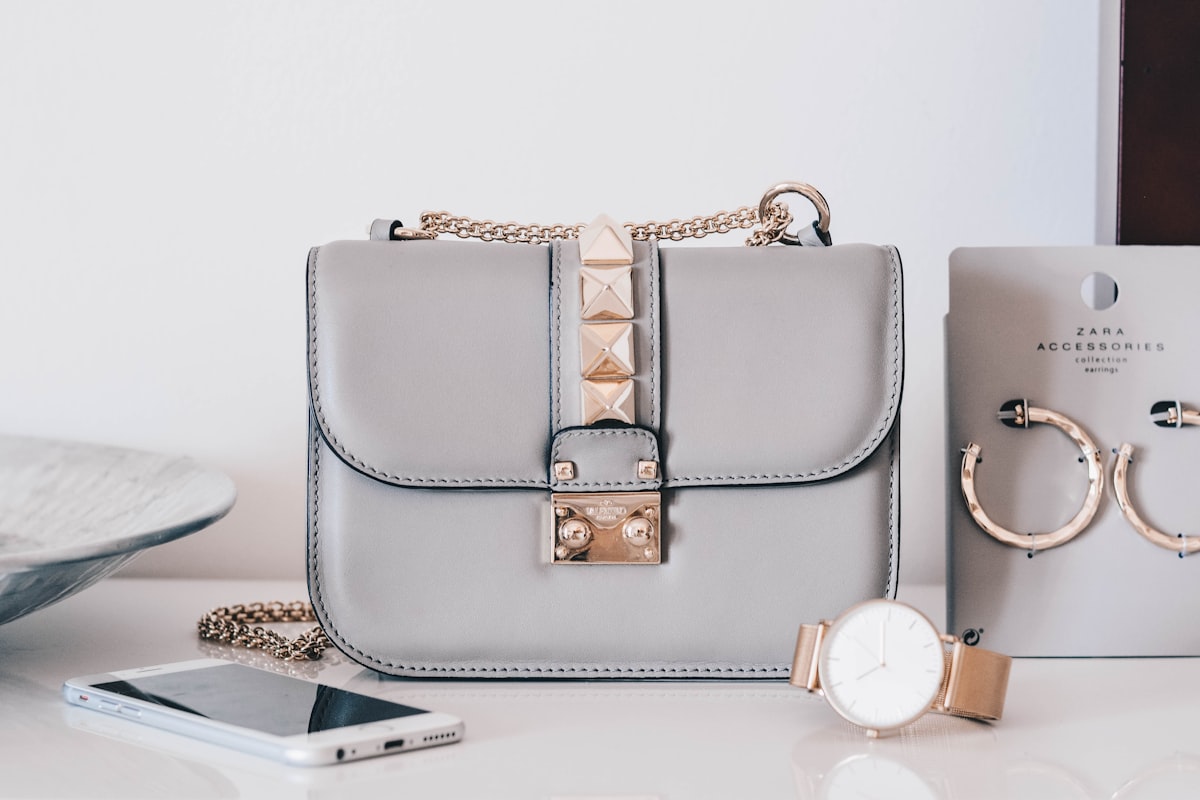
Take a quilted flap bag off the shelf, the kind a woman saves a year to buy, and turn it inside out. The lining, the stitch count, the way the gusset is assembled: on the better houses these are close to what they were in 2019. What is not close is the price. By Bain's own count, the sticker on a like-for-like iconic bag has risen between 50 and 70 percent since 2019. The same bag, its price up by half or more. That is not a design decision. It is a toll, raised quietly, year after year, on the assumption that the people who love these objects had nowhere else to go.
They went somewhere else. On November 20, Bain and Company and the Italian trade body Altagamma published the 24th edition of their annual luxury study, and the number that matters is not the spending line, it is the head count. By Bain's own reckoning, the active luxury customer base has fallen from roughly 400 million buyers in 2022 to somewhere between 330 and 340 million in 2025. About 20 million walked out in 2025 alone, and Bain expects 20 to 30 million more to follow. Strip the euphemism away and the industry has shed roughly a sixth of its customers in three years and is forecasting it will shed more. This is the second straight year the market has lost people, after more than two decades of only ever gaining them.
They charged more for the same bag
Here is the part the houses would prefer you read past. The customers did not leave because they went broke. They left because the thing they were being sold stopped being worth the ask. Set the two figures side by side and the story tells itself: prices on the hero bags up 50 to 70 percent, and 70 to 80 percent fewer of those hero bags actually launched in 2023 to 2025 than in the three pre-pandemic years of 2016 to 2019. More money, less newness. Bain also found that only 40 to 45 percent of the people who could buy luxury did buy it in 2025, down from about 60 percent in 2022, and that 70 percent of shoppers are unhappy with the store experience they are paying more to have. You can raise the price of a garment you keep improving. What these numbers describe is an industry that raised the price and kept the garment the same. In an atelier that is called selling the toile as the finished dress.
The most quotable line in the study is not about the aspirational shopper at all. It is about the people at the very top, the clients the houses spent five years reorganizing themselves to serve. "You cannot target only the top customers," Bain partner Federica Levato said in comments carried by Reuters, "because they are also starting to really be upset and to feel betrayed in this industry." Betrayed is a strong word from a consultancy, and it is the right one. Those top clients, the ones spending more than 20,000 euros a year, did hold their spending in 2025. They now account for something like 46 to 47 percent of the 358-billion-euro personal-goods market. But read that correctly: their share went up because the middle collapsed underneath them, not because the top grew. A house leaning that hard on a handful of whales is not a healthy house. It is a house that has run out of everyone else.
Everyone else is the aspirational buyer, the salaried thirty-year-old and the student saving for one good thing, and Levato is blunt about where they went. "This industry really walked away from Gen Z," she told the same Reuters wire, and the walking-away left, in her phrase, "a complete void in the market" that more affordable brands, many of them American, are now filling. The entry-level customer is the seed corn of luxury. She buys the small leather goods at twenty-five, the bag at thirty-five, the coat at fifty. Price her out of the first purchase and you have not protected your margin, you have canceled your future demand and handed it to resale and to the mid-market.
A new designer won't fix the price
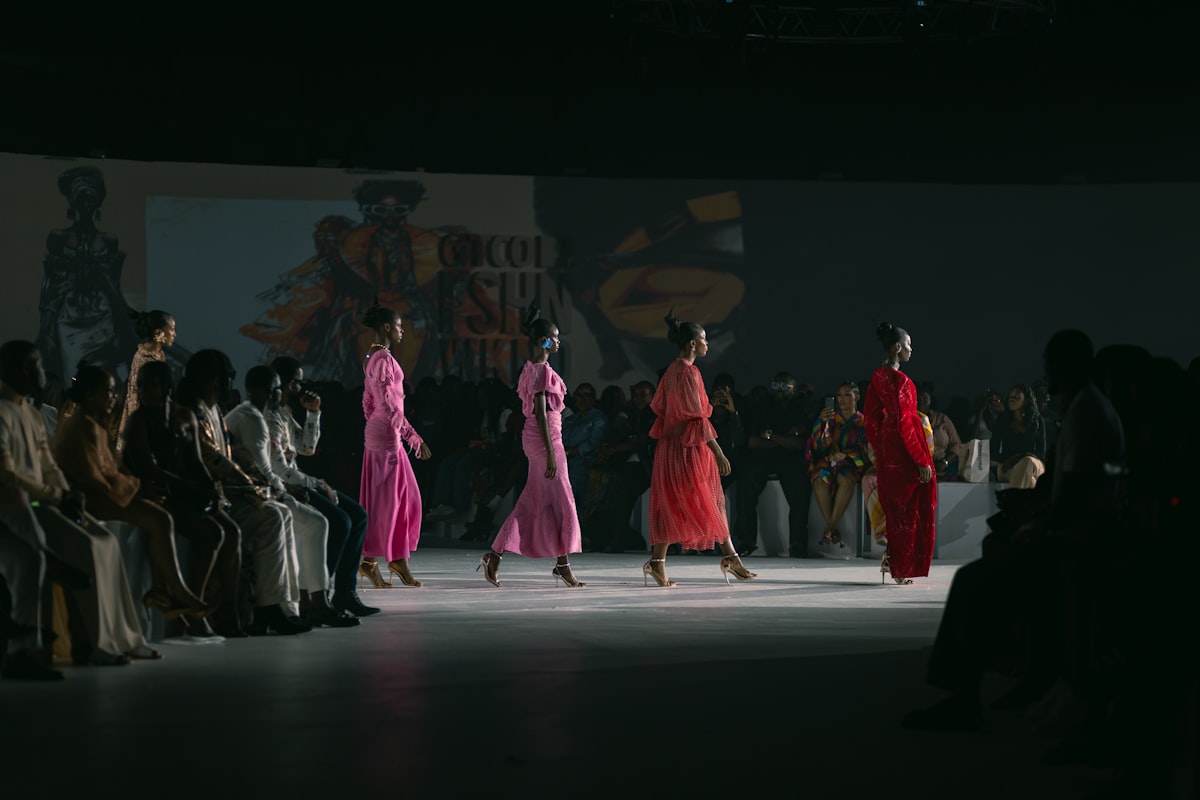
The houses think a new signature will fix it. The past two seasons brought the broadest wave of creative-director changes in years, new hands at Chanel, Dior, Gucci, and Balenciaga; WWD counted 15 designer debuts for the Spring/Summer 2026 season alone, all of it sold as renewal. Levato is unconvinced that talent alone closes the gap. "Most of them think that they can fix the mistakes with new creativity," she told Reuters. "So increasing the level of creativity at the same price that they have today, in our belief, won't be enough." That is the sentence to pin above every studio door. A pricing problem does not have a design solution. You cannot draw your way out of having overcharged people for a decade.
Maybe it's the cycle, not the houses
In fairness, and the atelier taught me to check my own seams too, the self-inflicted story is not the only story. Some of this is weather. China's demand has slumped, American tariffs have jolted the whole apparel trade, and currency swings flatter and punish these numbers in turn. Bain is not forecasting collapse; it expects the market to grow 3 to 5 percent in 2026, back toward 365 to 375 billion euros, which is the behavior of a cyclical dip, not a death. Joelle de Montgolfier, who runs Bain's luxury division, told the trade title Formes de Luxe that 2025's price rises were already more moderate than before, a sign the industry is correcting on its own, though she added that shoppers still perceive a lack of innovation and creativity alongside the higher prices. A serious reader has to hold that possibility open: maybe the customer comes back when the macro clears.
Watch what the houses do, not the forecast
Watch what the houses are doing rather than what the forecast hopes. Kering's new chief executive, Luca de Meo, used an April Capital Markets Day in Florence, staged under the banner ReconKering, to commit the group to rethinking its pricing and its range: restoring full-price sales, cutting Gucci's assortment, and closing about 250 stores over four years. Reuters, reporting the plan, characterized it as de Meo acknowledging that errors in the group's pricing strategy needed correcting; the word "errors" is the wire's summary, not a phrase I can put in his mouth. Still, the direction of travel is the tell. When the company that ran the elevation playbook hardest starts rethinking its own prices and cutting its own range in public, that is not a macro alibi, it is a house conceding the strategy went too far. Bain's Claudia D'Arpizio frames the way out more gently, saying in the firm's own study release that after the shopping-spree era "experiences and emotions have become the true engine of luxury growth." I would put it in the language of the workroom instead. A price is a promise about the hours and the hands inside the object. For a decade the houses raised the promise and delivered the same garment, and they sent it down the runway anyway. The customer, it turns out, could turn it inside out too.