The last time I bought a jacket new, I did something I would have found ridiculous five years ago. Before I paid, I stood in the shop and checked what the same jacket was going for secondhand. Not to buy it cheaper. To know what I could get back for it later. The resale price told me whether the new price was fair. I was not shopping so much as pricing an asset, and I did it without thinking, the way you check the weather.
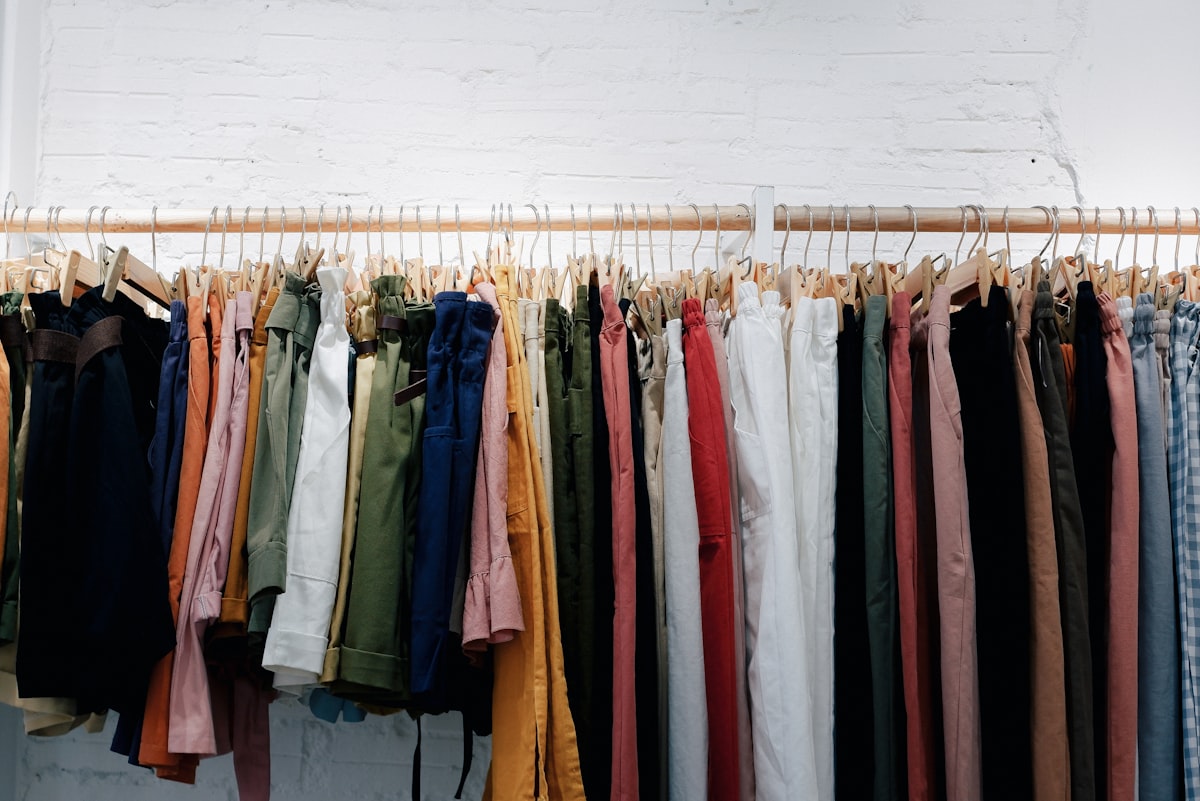
It turns out I am not unusual. ThredUp's 2026 resale report, run by GlobalData, finds that 46 percent of shoppers now browse resale before they buy new, rising to 58 percent among Gen Z, and 60 percent say a garment's resale value is a factor when they buy it new. The secondhand rail used to be the clearance channel, the sad end of a garment's life. It has quietly become the front door, the thing you consult first.
The numbers under this are not small. The same report puts the US secondhand market at 55.5 billion dollars in 2025, about 12 percent of the 458 billion Americans spent on clothes, shoes, and accessories, and it grew nearly four times faster than the wider clothing market. Business of Fashion and McKinsey, in their State of Fashion 2026, have secondhand growing two to three times faster than the first-hand market through 2027. Whichever set you trust, the direction is the same, and it is steep.
Here is the part that upends the cliche. The most engaged secondhand shoppers are not broke students hunting bargains. According to Business of Fashion and McKinsey, they are higher-spending luxury clients. The Mastercard Economics Institute found resale already made up 27 percent of US online luxury apparel spending in 2024, against a low single-digit share of the mass market. The person most likely to be reselling and rebuying is the person who could afford new. Resale is not what you do instead of luxury. For a lot of people it is now part of how luxury works.
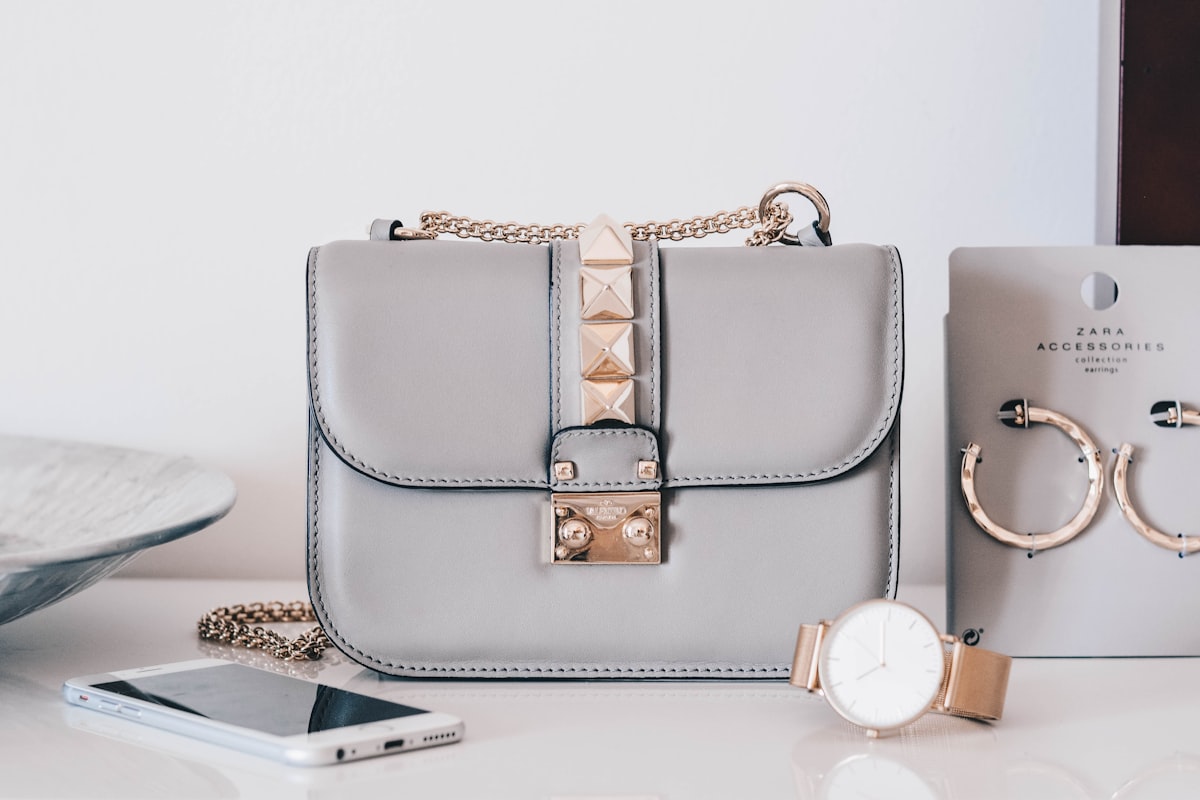
Which raises the obvious question, and it is the one worth chasing. If secondhand is this big and the good customers are this into it, why do the brands make almost nothing from it? Because the trade does not happen in their shops. It happens on Vinted, on ThredUp, on The RealReal, on Vestiaire. Online marketplaces were 88 percent of US resale spending in 2024, per Business of Fashion and McKinsey. When your Prada coat changes hands for the third time, Prada is not in the room. The house built the thing whose resale value makes it worth buying new, and it collects nothing on the resale.
The brands know. In ThredUp's survey of brands, 60 percent admit that not having a resale program is a structural disadvantage, and 42 percent say they risk losing the younger customer over it. Yet in Business of Fashion and McKinsey's State of Fashion 2026, fewer than a third called resale a priority for this year. The reasons are dull and real: authenticating, photographing, pricing, and shipping used clothes is a logistics business most fashion houses have no muscle for, and reselling your own goods feels like competing with your own full-price rail. So the branded programs that do exist, Patagonia's Worn Wear, Eileen Fisher Renew, Arc'teryx ReBird, are the exception; branded resale as a category is up around 300 percent since 2021 but off a tiny base. The value keeps flowing to the middlemen.
I want to be careful here, because this is my beat and I have watched it go wrong. Resale going mainstream is not automatically a good thing. When the well-off treat secondhand as a smart hedge rather than a necessity, they pick the racks clean and push the prices up, and the person who shopped secondhand because it was the only option gets crowded out. And a habit sold to you as thrift, checking the resale value before you buy, is still the industry teaching you to buy. The wanting just wears a spreadsheet now.
Still, the tool is real, so use it. Before you buy something new, look up what it resells for. A healthy secondhand price is the closest thing fashion has to an honest quality signal, better than the label or the marketing. Buy the thing that holds its value, wear it for years, and sell it on when you are done rather than bin it. That is not the industry's plan for you. Their plan is that you buy new, again, with the resale value as the excuse. Look at the seams, know the resale price, and let the number make you buy less, not more. That is the version of the front door worth walking through.